

Ploumanac'h Harbour
Perros-Guirec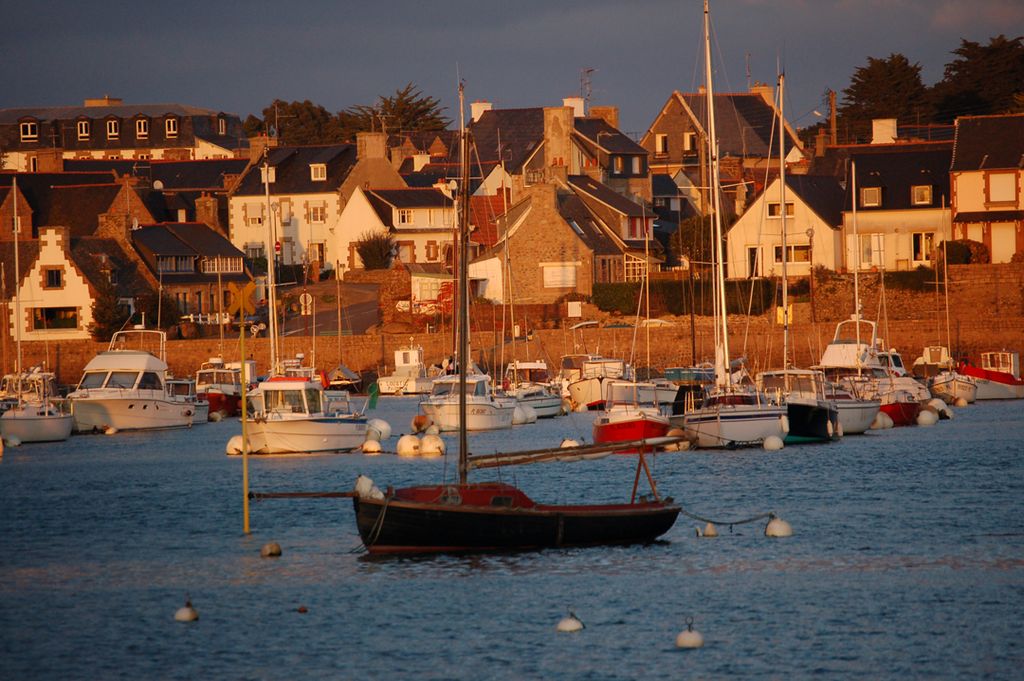

About
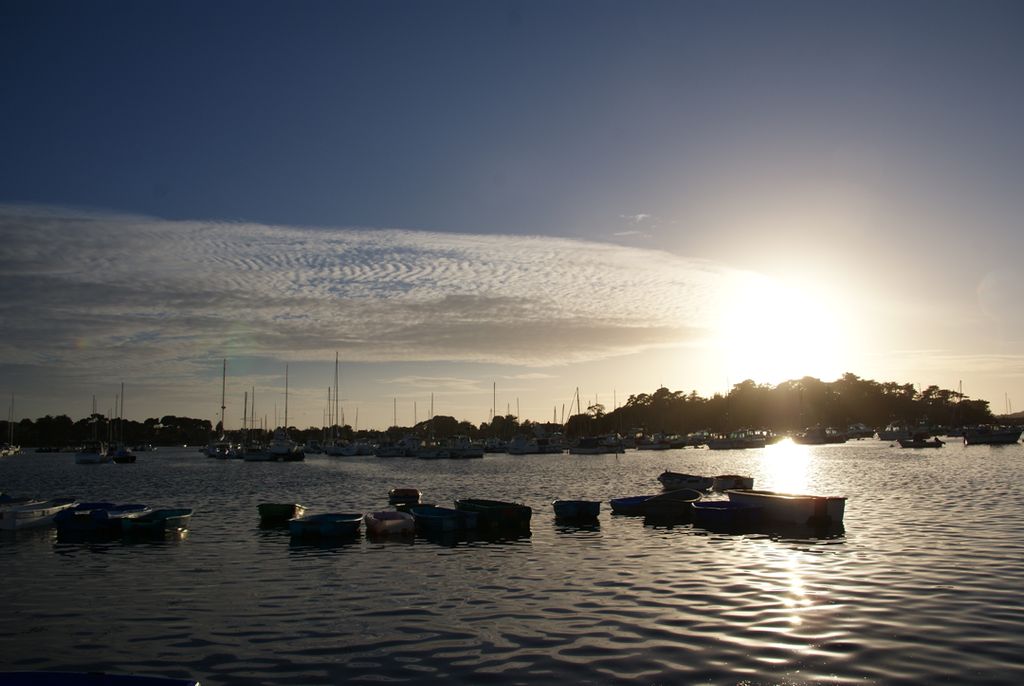
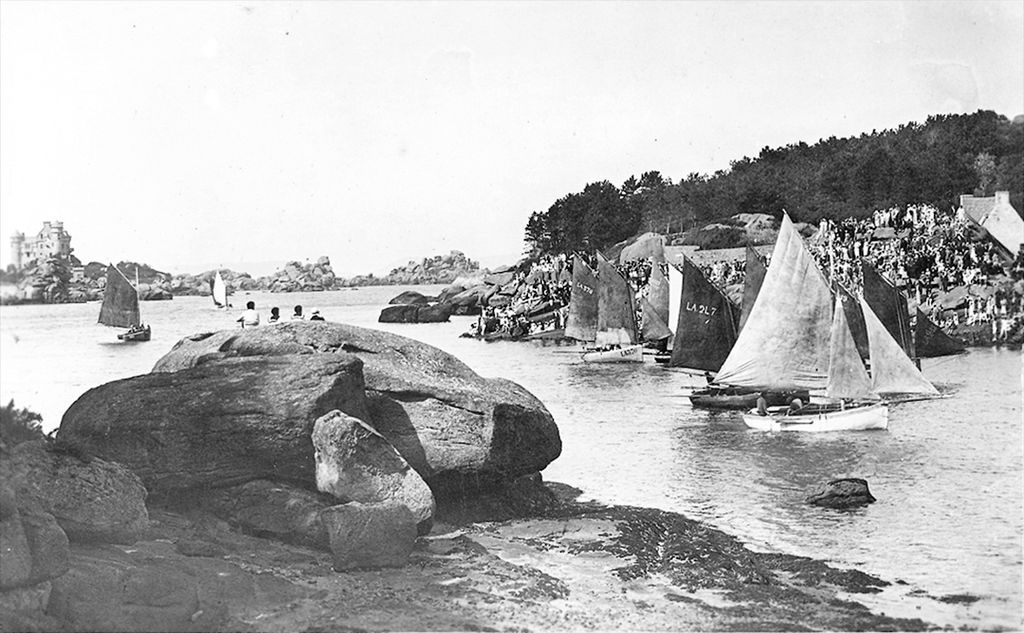
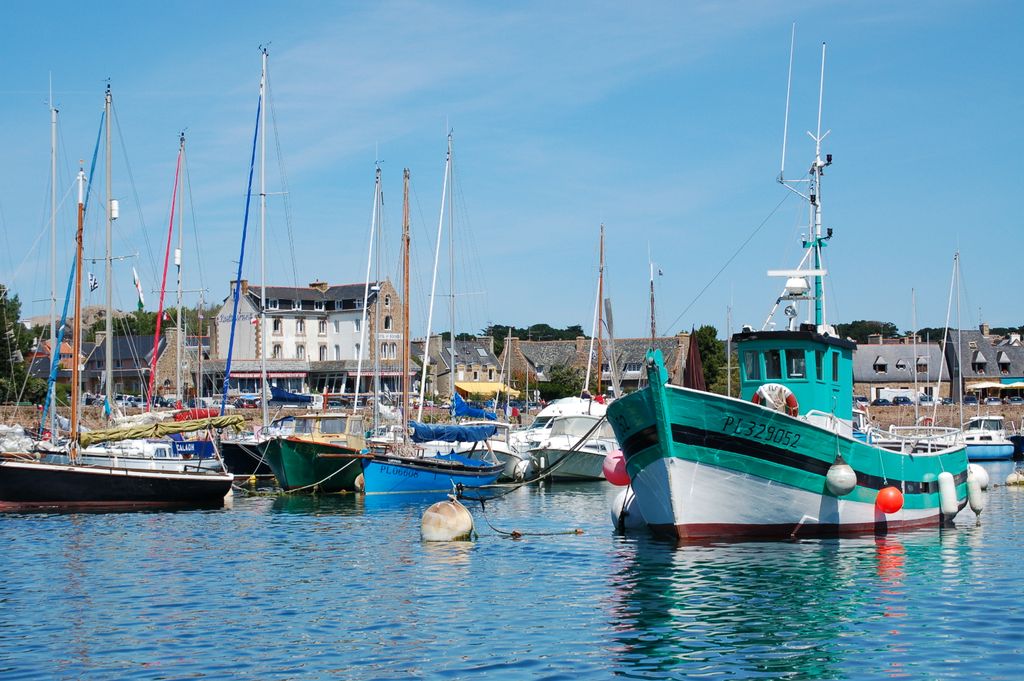
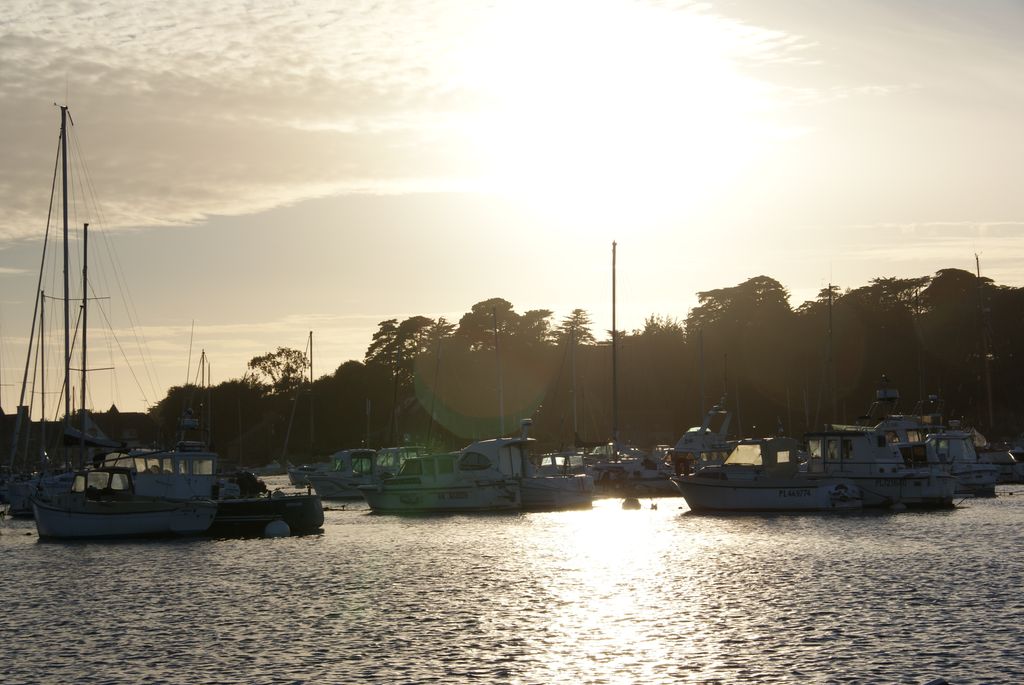
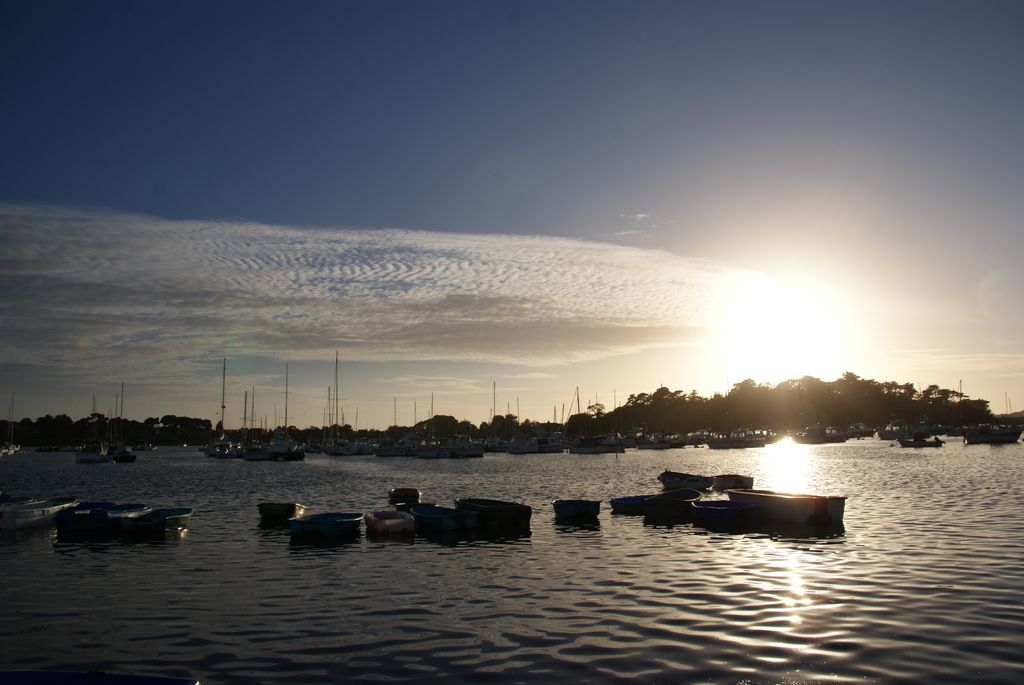
Naturally formed by the confluence of two streams 4,500 years ago, Ploumanac'h harbour is an exceptional location. Used from ancient times as a trading port, it was then home to a village of fishermen. Today, it has retained its authentic, traditional appearance and attracts many visitors to the area. Don't leave without seeing the two tidal mills built in the fourteenth century to harness the energy generated by the strong tides. Did you know that, from 1896, the smaller mill, called Milin Ruz, was used to make ice to store fish?



Bringwiller
Pleumeur-Bodou
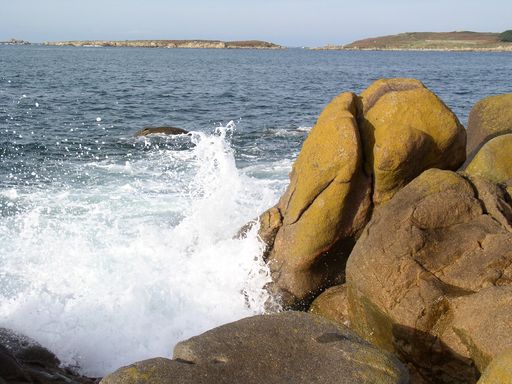
Covering 30 hectares, the coastline is of great botanical, scenic and cultural value. The department of the Conseil Général (local authorities) responsible for natural sites has introduced Camargue...  See
See

La Clarté Chapel (Itron Varia Ar Sklerder)
Perros-Guirec
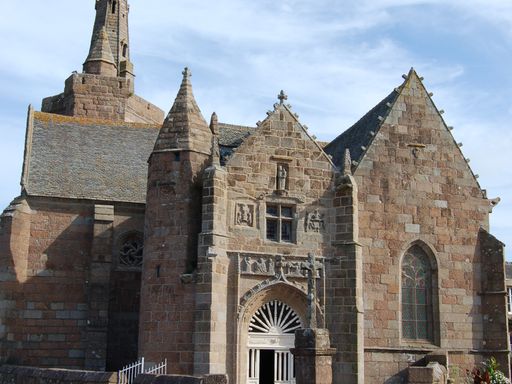
Classified as a historic monument and containing some architectural treasures, Notre Dame de la Clarté is not to be missed. Dating from the fifteenth century and finished in the eighteenth century,... See
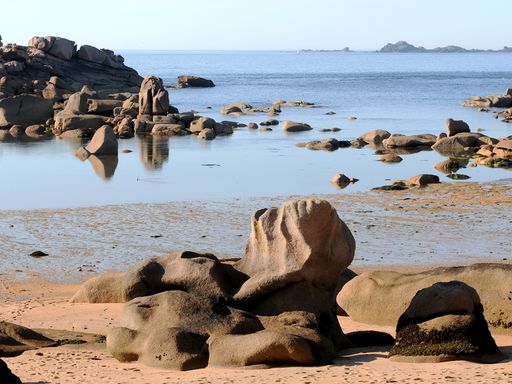
Île Renote
Trégastel
Formerly an island, Île Renote was joined to the mainland in 1895 by construction of a road, forming a peninsula. It has an exceptional geological and human history. Inhabited for 5,000 years, it... See
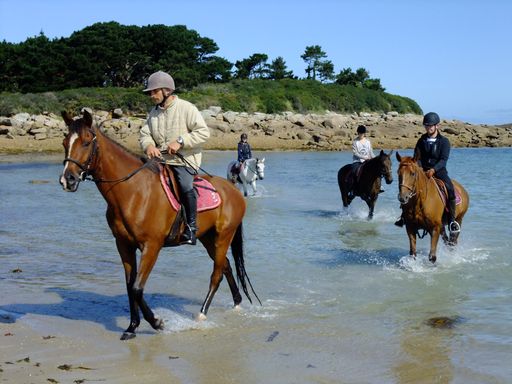

Bringwiller and Kerlavos Bay
Trégastel
There is evidence of very early human religious and economic activity in this area. Its name, Brenn Guiler, meaning "hill of the Roman village", bears testament to the presence of the Romans in... See