

Île Milliau
Trébeurden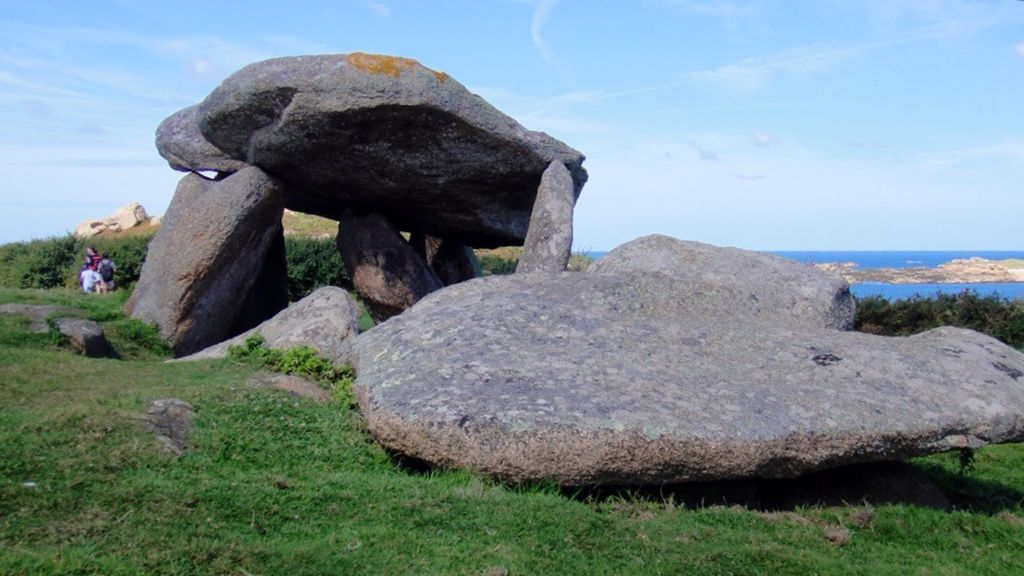
About
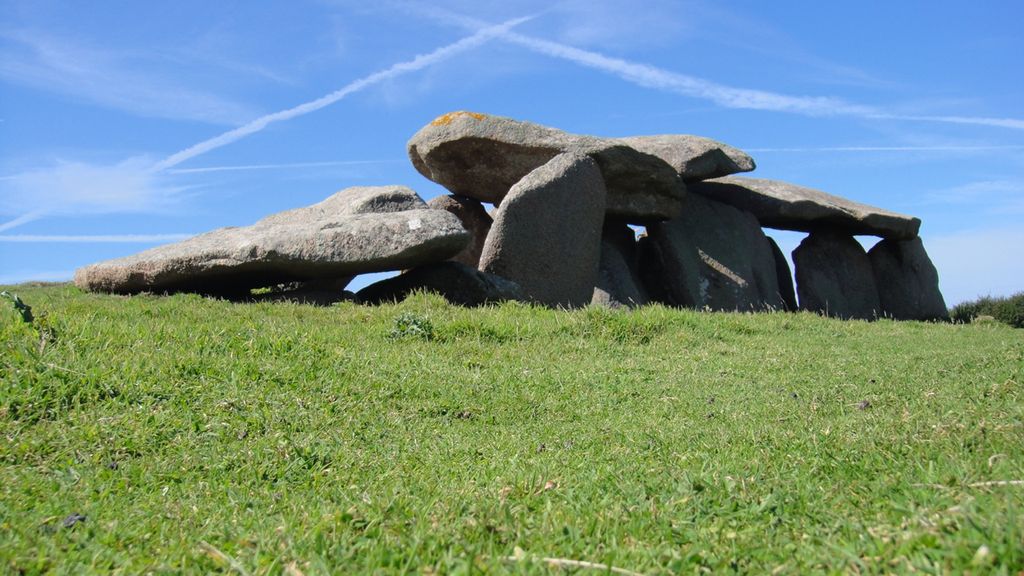
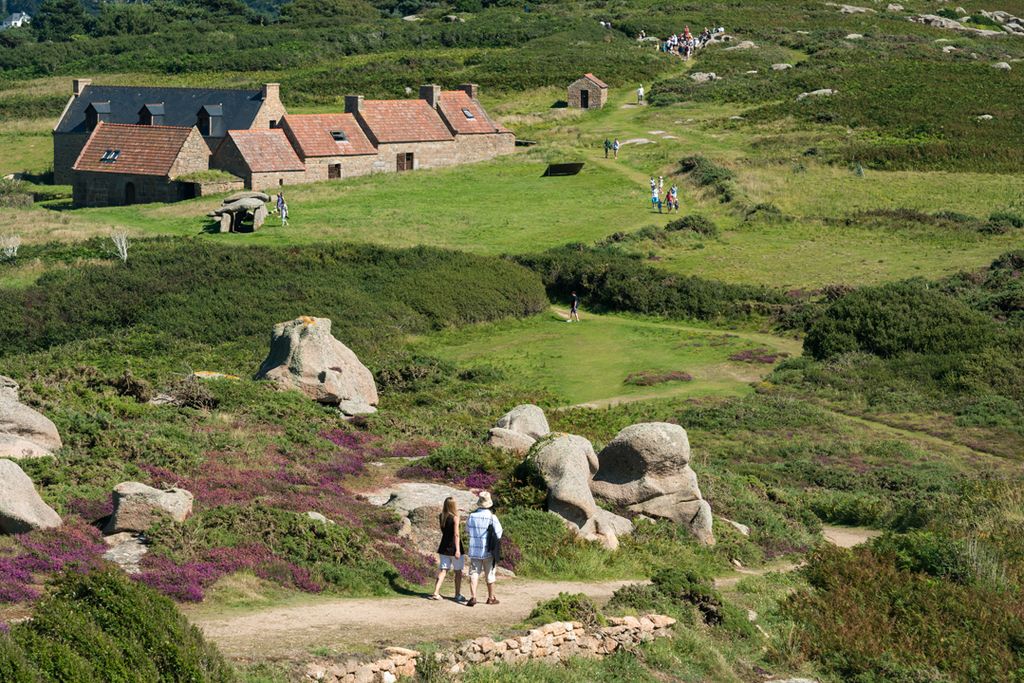
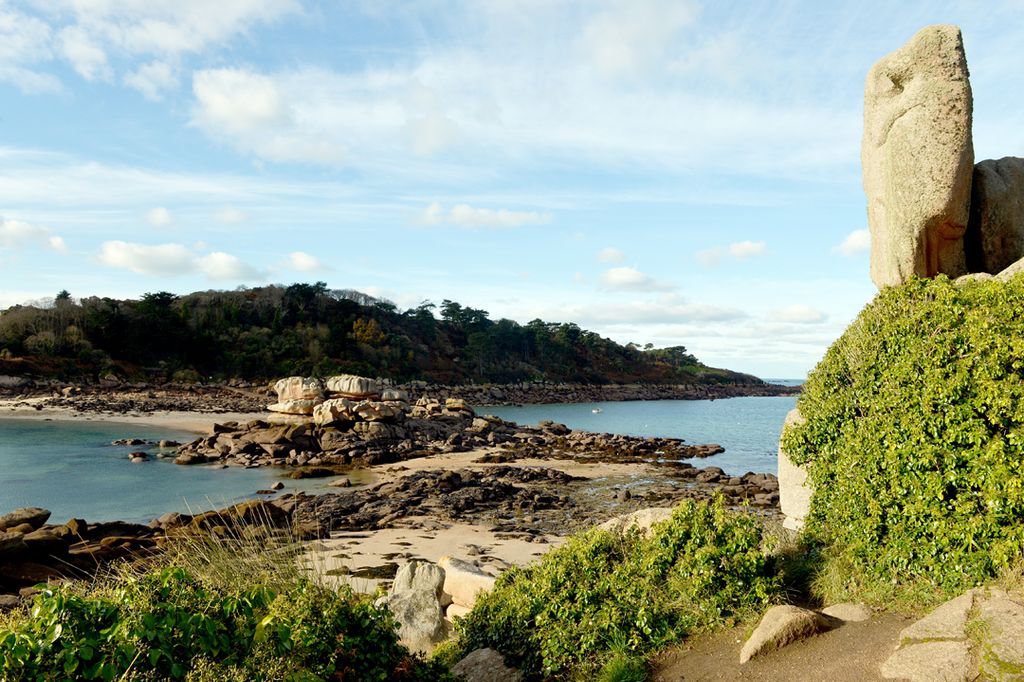
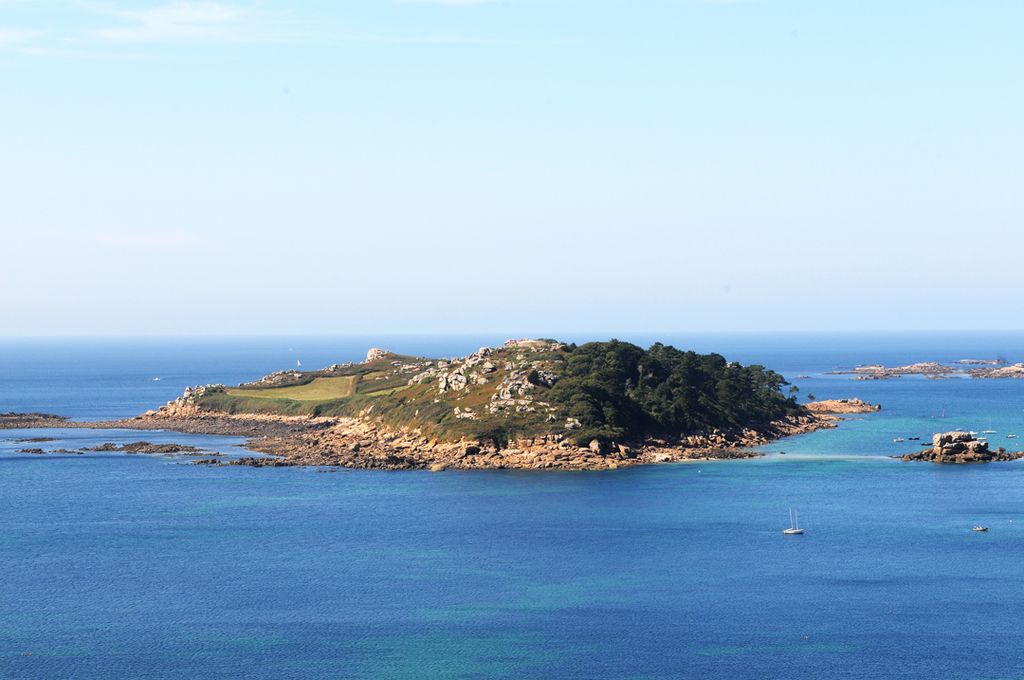
With its remarkable pink granite rock formations and darker sedimentary rocks, Île Milliau offers a landscape which takes your breath away. As well as enjoying the site's natural beauty, you can look for traces of human settlement. The first signs date from the Neolithic period: our ancestors erected a gallery grave which would have served as a burial monument. Then, legend has it that in the sixth century a monk named Milliau came from a northern country to evangelise the area and settled here. You will also find a farmstead here, built at the end of the Middle Ages and now renovated. On the way, you will go round the Presqu’île du Castel peninsula, passing "Père Trébeurden" (Father Trébeurden), a rock in the shape of a face. Wear good shoes and take care, as the area is steep and slippy, and on some days the tides make access to Île Milliau impossible.



The Village
Trégastel
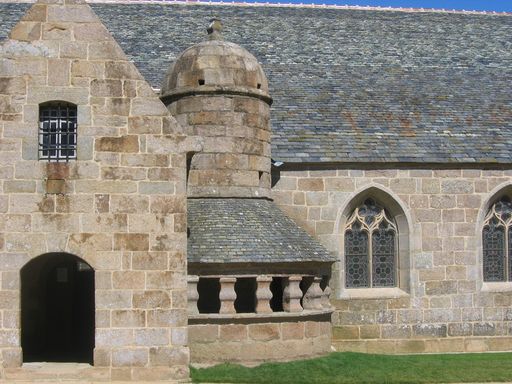
This church was built in several stages. The original building, dating back to between the twelfth and thirteenth centuries, was modified several times over the centuries. In the seventeenth century,...  See
See

Golgon
Trégastel
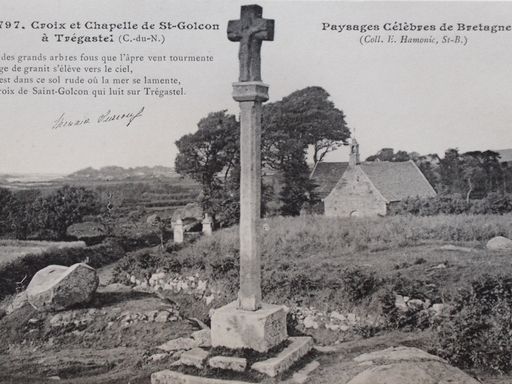
In the sixteenth century, the lords of Lannion ordered the chapel to be built near to a sacred fountain. The building was enlarged at the start of the eighteenth century by the De Launay-Nevet... See

Bringwiller and Kerlavos Bay
Trégastel
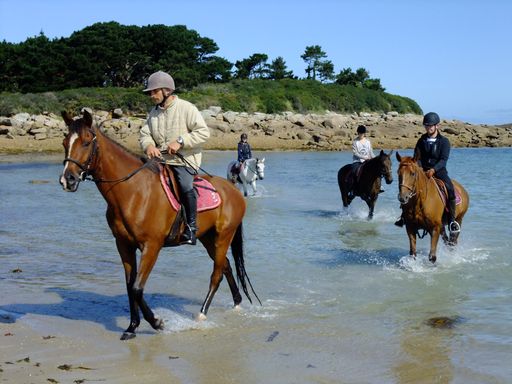
There is evidence of very early human religious and economic activity in this area. Its name, Brenn Guiler, meaning "hill of the Roman village", bears testament to the presence of the Romans in... See
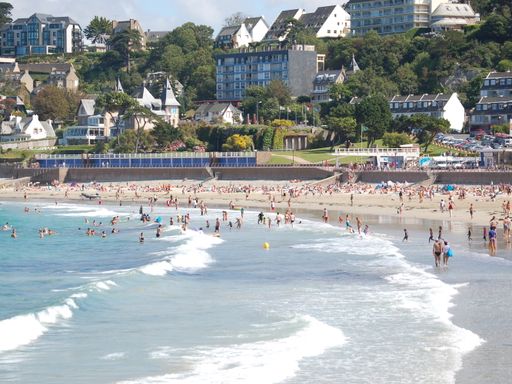

Trestraou beach
Perros-Guirec
The bay of Trestraou was at the root of the development of tourism in Perros-Guirec. In the nineteenth century, swimming in the sea was recognised for its curative qualities and became fashionable.... See