

Bringwiller and Kerlavos Bay
Trégastel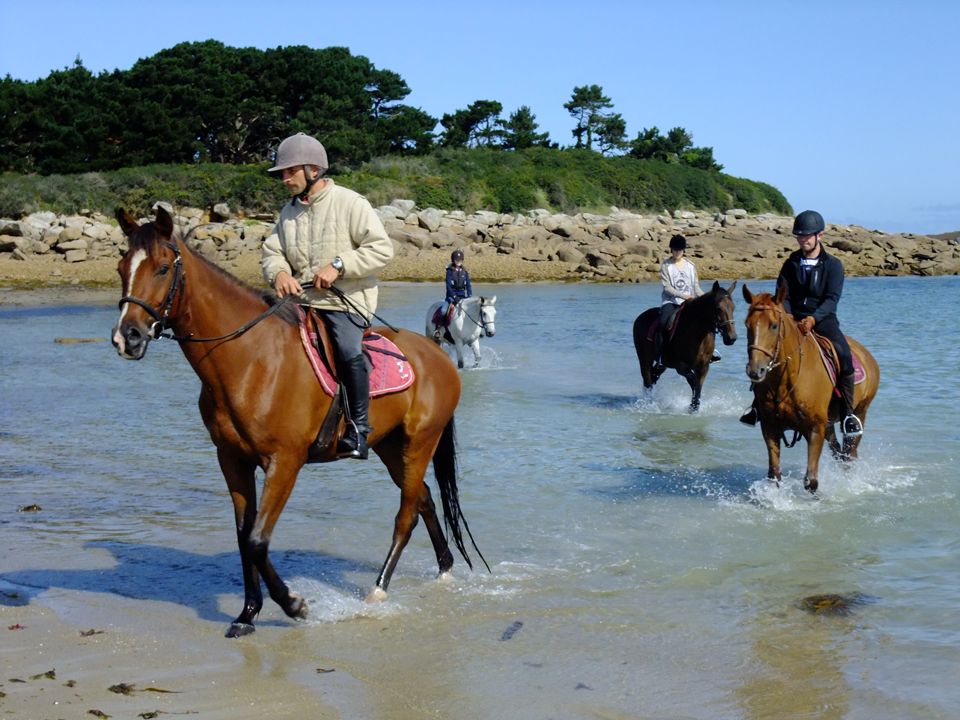
About
There is evidence of very early human religious and economic activity in this area. Its name, Brenn Guiler, meaning "hill of the Roman village", bears testament to the presence of the Romans in antiquity. Numerous footpaths enable you to explore the tidal marshland which replaced the old peaty freshwater marsh after the spit of land which used to seal off the cove was breached.


Warning: Undefined array key 136 in /var/www/html/db.php on line 116
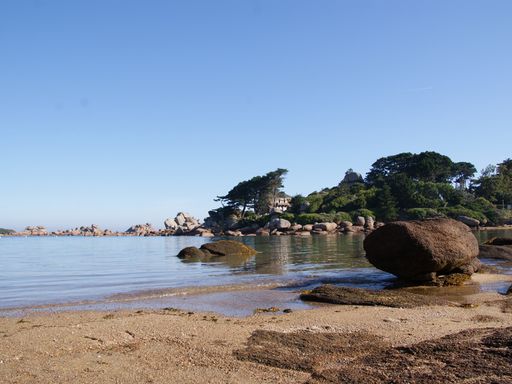

Saint-Guirec beach
Perros-Guirec
Opposite the small beach of white sand stands a granite oratory, built around the eleventh and twelfth centuries from an old Gaulish stele (carved stone slab). Capitals carved with animal designs...  See
See
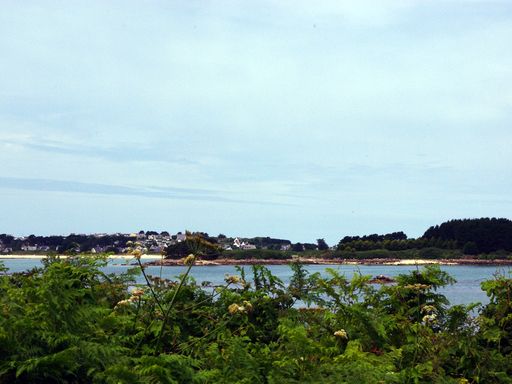

Keryvon
Pleumeur-Bodou
Walking along the beach at Keryvon, you will find a landscape shaped by the tides and by a special geological history. The presence of yellow sand and black rocks gives the area an unusual... See
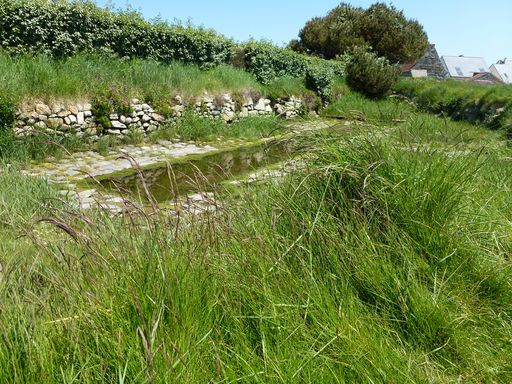
Lavoir at Run Losquet (Île Grande)
Pleumeur-Bodou
This large, traditional "lavoir" – an open-air pool or basin set aside for clothes to be washed – is located on Île Grande and dates from the nineteenth century. Two sources supply it and can be... See
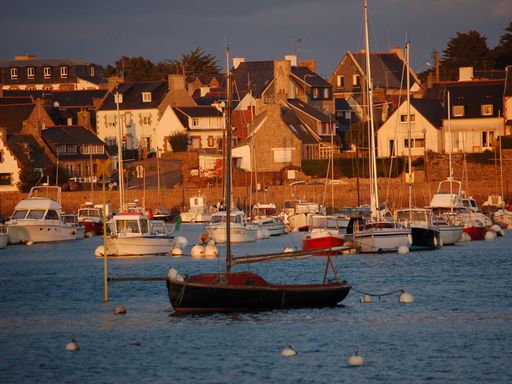

Ploumanac'h Harbour
Perros-Guirec
Naturally formed by the confluence of two streams 4,500 years ago, Ploumanac'h harbour is an exceptional location. Used from ancient times as a trading port, it was then home to a village of... See
Warning: Undefined property: stdClass::$nom in /var/www/html/db.php on line 189
Warning: Undefined property: stdClass::$nom in /var/www/html/db.php on line 189
Warning: Undefined property: stdClass::$nom in /var/www/html/db.php on line 189
Warning: Undefined property: stdClass::$nom in /var/www/html/db.php on line 189
Warning: Undefined property: stdClass::$nom in /var/www/html/db.php on line 189
Warning: Undefined property: stdClass::$nom in /var/www/html/db.php on line 189
Warning: Undefined property: stdClass::$nom in /var/www/html/db.php on line 189
Warning: Undefined property: stdClass::$nom in /var/www/html/db.php on line 189
Warning: Undefined property: stdClass::$nom in /var/www/html/db.php on line 189